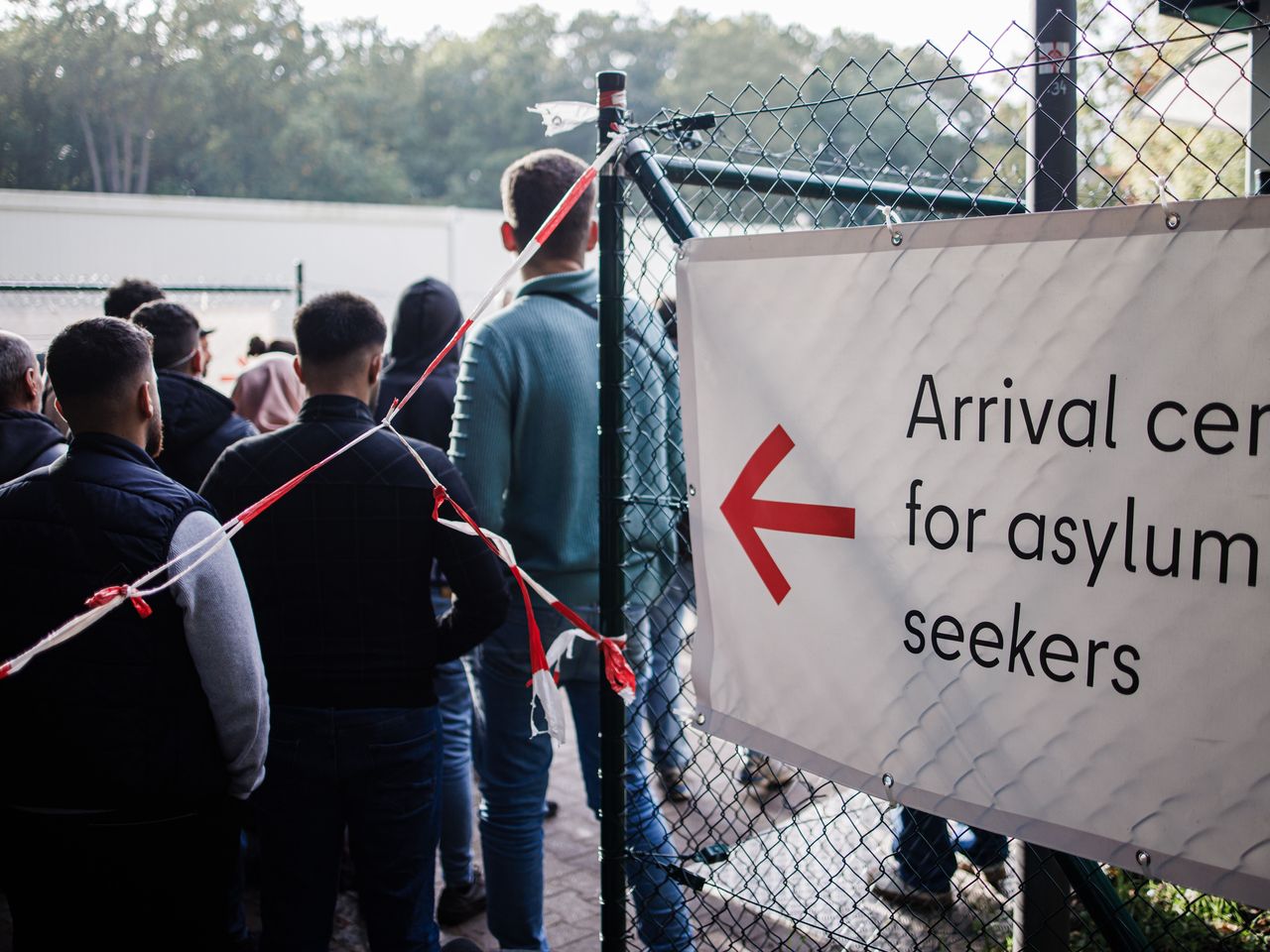
On Wednesday, EU lawmakers endorsed significant changes to migration laws in an effort to resolve disputes over handling unauthorized entry and to prevent the far-right from exploiting the issue for votes in the June elections. Many critics of the new rules raise concerns that they could make seeking asylum in Europe more difficult.
In a series of 10 votes, the European Parliament approved new regulations determining who should manage migrants upon arrival and whether other EU countries should offer assistance. These changes are part of the Pact on Migration and Asylum.
Roberta M, President of the European Parliament, hailed the decision as a “historic moment,” emphasizing its role in balancing solidarity and responsibility, marking a significant milestone for EU migration policy.
German Interior Minister Nancy Faeser praised the move as a “major and very important success,” noting its culmination after years of challenging negotiations and its equitable distribution of refugee responsibility among EU countries.
However, Dutch lawmaker Sophie i’nt Veld expressed concerns about certain aspects of the reforms, stating, “I’m not going to open a bottle of champagne after this.” Similarly, Swedish parliamentarian Malin Bjork believes the reforms fail to address core issues and may exacerbate difficulties for asylum seekers in Europe.
Migrant and human rights groups have also criticized the reforms, arguing that they fail to address significant challenges and may increase harm for those seeking safety.
Eve Geddie from Amnesty International described the reforms as “a failure to show global leadership,” warning of reduced protection and increased risk of human rights violations across Europe.
The 27 EU member states are expected to endorse the reform package, possibly in a late April vote, before it can be implemented.