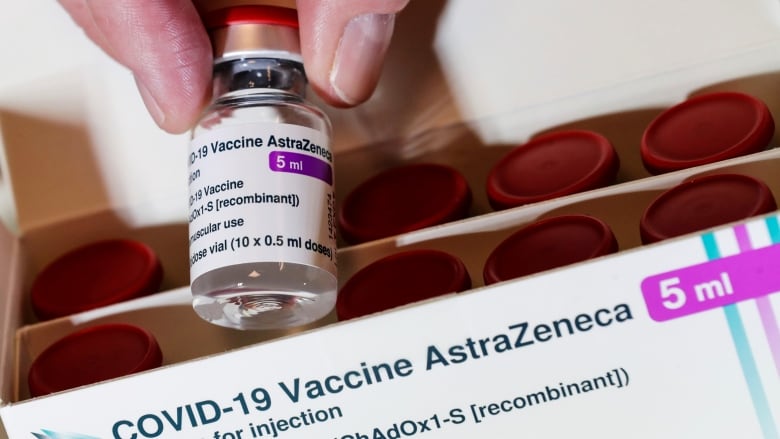
AstraZeneca will no longer sell its COVID-19 vaccine in Europe. Pharmaceutical company has officially requested the European Medicines Agency (EMA) to withdraw the authorization for its Coronavirus vaccine.
In a recent update posted on the EMA’s website, the regulatory body stated that the approval for AstraZeneca’s Vaxzevria had been revoked “at the request of the marketing authorization holder.”
Initially approved in January 2021, the AstraZeneca vaccine encountered safety concerns related to rare cases of blood clotting, prompting several countries to temporarily suspend its use.
Although the EMA concluded that the overall risk was low, uncertainties persisted. Moreover, limited data on its efficacy among older populations led to initial usage restrictions.
A significant number of doses of the AstraZeneca vaccine were distributed to developing nations through a U.N.-coordinated initiative, owing to its cost-effectiveness and ease of production and distribution.
However, subsequent studies indicated that the mRNA vaccines offered superior protection against COVID-19 and its variants. This prompted most countries to transition to Pfizer-BioNTech and Moderna vaccines.
The United Kingdom’s COVID-19 vaccination campaign heavily relied on the AstraZeneca vaccine in 2021. AstraZeneca was largely developed by researchers at Oxford University with substantial government funding support.
Nevertheless, even the UK eventually opted to procure mRNA vaccines for its COVID-19 booster shot programs. The utilization of the AstraZeneca vaccine will decrease globally.
AstraZeneca’s COVID-19 vaccine was initially seen as a breakthrough in the fight against Coronavirus, especially in developing countries. It was much cheaper and far easier to distribute and administer than the BioNTech-Pfizer vaccine that needs to be stored at extremely low temperatures.
With the weather relatively warmer in Africa, the continent initially preferred AstraZeneca vaccines. Many African countries will receive them through COVAX, a joint initiative from WHO and the international vaccine alliance GAVI.
AstraZeneca’s COVID-19 vaccine withdrawn from Europe