In a groundbreaking effort to explore the intricate world of migration within Africa, the Institute of African and Diaspora Studies (IADS) at the University of Lagos (UNILAG), in collaboration with various departments at the university, has unveiled a thought-provoking documentary series and a multimedia exhibition titled “Roots and Routes.” This initiative, aimed at examining the migration phenomenon known as “japa” within Africa, challenges common misconceptions about migration and the identities of second-generation migrants.
Understanding the Japa Syndrome
The term “japa,” loosely used in present-day Nigeria, refers to migration and has a long history in the region. While many associate migration with movements between continents, this research delves deeper into migration patterns within Africa itself.
Documentary Series Premiere
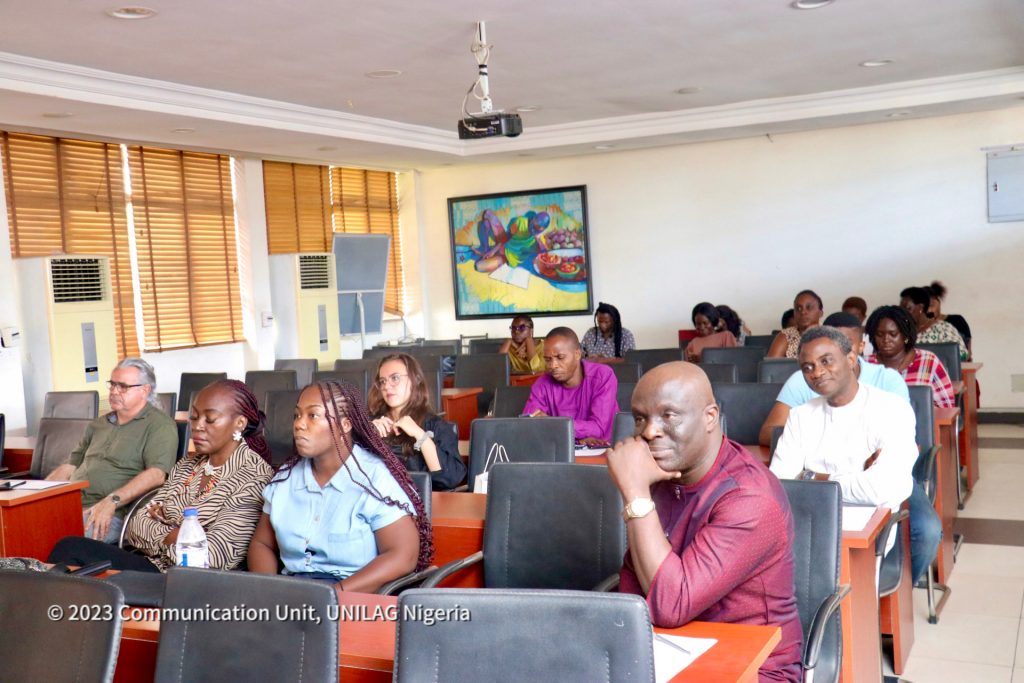
The first episode of the documentary series, titled “When Borders Don’t Matter,” was screened at the Arthur Mbanefo Digital Research Centre in UNILAG in December 2022. The second episode, “Roots and Routes,” premiered at the Faculty of Arts Board Room on October 3, 2023.

Exploring the Reasons Behind Migration
In the first episode, researchers investigated the reasons behind common migrations between countries such as Togo, Benin Republic, Nigeria, and Ghana. These migrations are often driven by a quest for better opportunities and multilingualism, challenging the notion that economic factors are the sole motivators.
Challenges Faced by Second-Generation Migrants
The second episode focused on second-generation migrants and their experiences in Lagos State, Nigeria. It revealed the complexity of their identities and the challenges they face, especially when it comes to providing documentation proving their state of origin for educational purposes. Some have even resorted to adopting Nigerian names to obtain certificates. Despite these challenges, when asked which nationality they would rather claim, all interviewees chose their original nationality over Nigerian citizenship.
Roots and Routes focus on Unfair Treatments at Borders
The “Roots and Routes” documentary shed light on the challenges faced by second-generation Beninese and Togolese migrants at border crossings. They often encounter unfair treatment and have to part with a significant portion of their resources. Additionally, some Beninese respondents expressed their dislike for stereotypes associated with Yorùbá indigenes of Nigeria.
Recommendations for Thoughtful Migration Policies
The documentary concludes with a call for the creation and implementation of thoughtful migration policies, cultural exchanges through festivals, and a commitment to fostering a sense of belonging to effectively embrace and integrate migrants into cities like Lagos. These recommendations aim to harness the potential of diverse migrant demographics for mutual benefit and continued development.


Impact and Future Initiatives
Professor ‘Muyiwa Falaiye, the Director of the African Cluster Centre of Excellence (ACC) within IADS, expressed gratitude for the support from Universität Bayreuth, Germany, and emphasized the importance of these documentaries in helping people understand the challenges faced by migrants.
The Principal Investigator, Prof. Taibat Lawanson, outlined the project’s aims and objectives, and Dr. Abisoye Eleshin provided insights into the team’s findings.


Multimedia Exhibition: Immersion in Migrants’ Experiences
Following the premiere, a multimedia exhibition opened at the IADS Gallery, J.P. Clark Building. It aims to immerse visitors in the experiences of migrants moving from Cotonou, Benin, to Lagos, Nigeria.
UNILAG Vice-Chancellor Professor Folasade T. Ogunsola inaugurated the exhibition, which features audio and visual content showcasing the influence of Nigerian music in Cotonou, the spread of Pentecostalism from Lagos to Cotonou, and the integration of young Nigerians into the informal business sector of Benin. Visual representations of border checkpoints and cultural integration are also on display.
The exhibition will remain open until October 10, 2023, inviting scholars, history/humanities enthusiasts, and all interested individuals to explore the enlightening experience at the IADS Gallery in the J.P. Clark Building.
This comprehensive project highlights the significance of migration within Africa, challenging stereotypes and advocating for inclusive policies to harness the potential of diverse migrants for mutual benefit and continued development.