Guinea has unveiled a proposed Constitution, marking a significant step in the political transition led by General Mamadi Doumbouya since the September 2021 coup. The draft, published online on the night of August 11, introduces several notable changes, including the establishment of a bicameral legislature and the strict limitation of presidential terms.
The new Constitution proposes a bicameral system, creating two legislative bodies: the National Assembly and a newly introduced Senate. This move, outlined in Article 41, aims to enhance the checks and balances within Guinea’s political framework. Such a structure is intended to provide a more robust legislative process, potentially leading to more comprehensive and representative governance.
One of the most significant aspects of the proposed Constitution is the limitation of presidential terms. According to Article 44, the President of the Republic will serve a five-year term, renewable only once. This provision is designed to prevent the long-term concentration of power and ensure regular political renewal. The draft explicitly states, “No one may serve more than two terms as President of the Republic,” a clear effort to avoid the pitfalls of indefinite presidential rule that have plagued many African nations.
However, ambiguity remains regarding General Mamadi Doumbouya’s future role. Although the transitional charter currently in place bars him from running in the upcoming elections, this specific prohibition is not reiterated in the new Constitution. The President of the National Transitional Council has argued that the Constitution should establish timeless, general rules rather than being focused on individual cases. This omission has led to speculation that Doumbouya could potentially run for president once the new Constitution is adopted.
The draft Constitution is expected to be voted on by the end of the year, ahead of the scheduled elections, setting the stage for a new political era in Guinea.
AfrikPage
Key changes in Guinea’s proposed Constitution
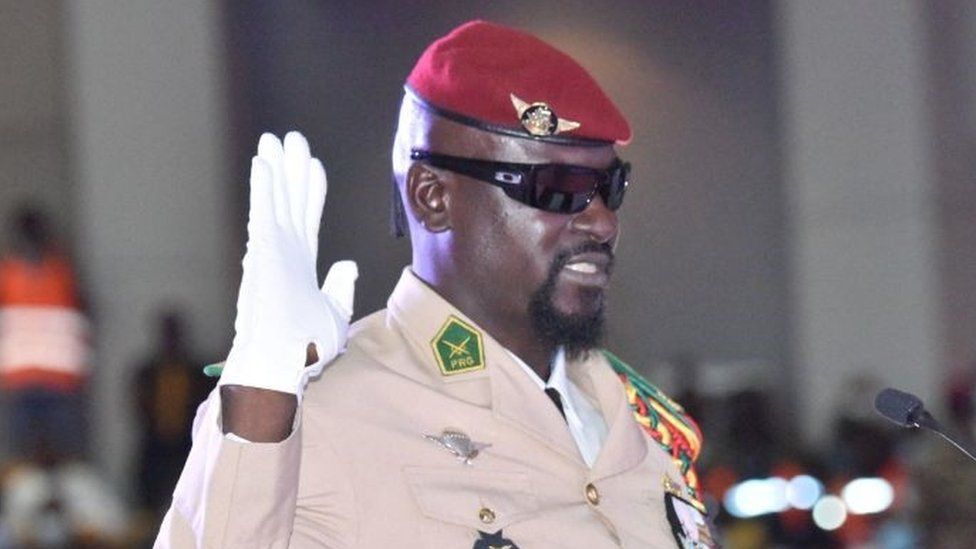 Col Mamady Doumbouya was sworn in as president less than a month after unseating Alpha Condé